


Save up to 60%
on object storage
Reclaim 100s
of DevOps hours
Agentless
cost optimization
Object storage is full of waste. Lucidity removes it.
Object storage is the fastest growing storage type for most enterprises, driven by AI inference data and modern workloads. However, waste and inefficiencies are invisible for most teams, and build up, day after day.
- See
Break the black box
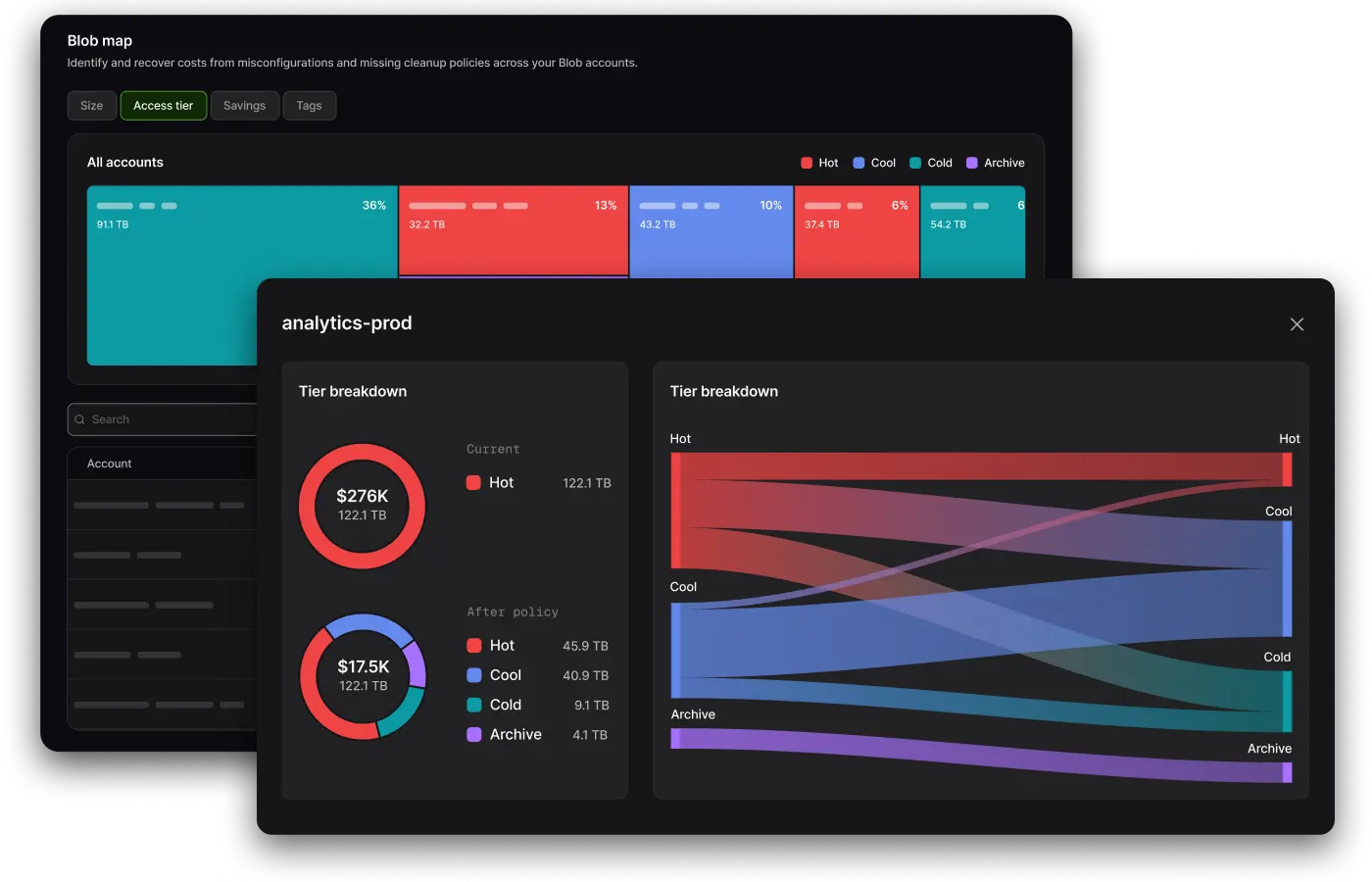
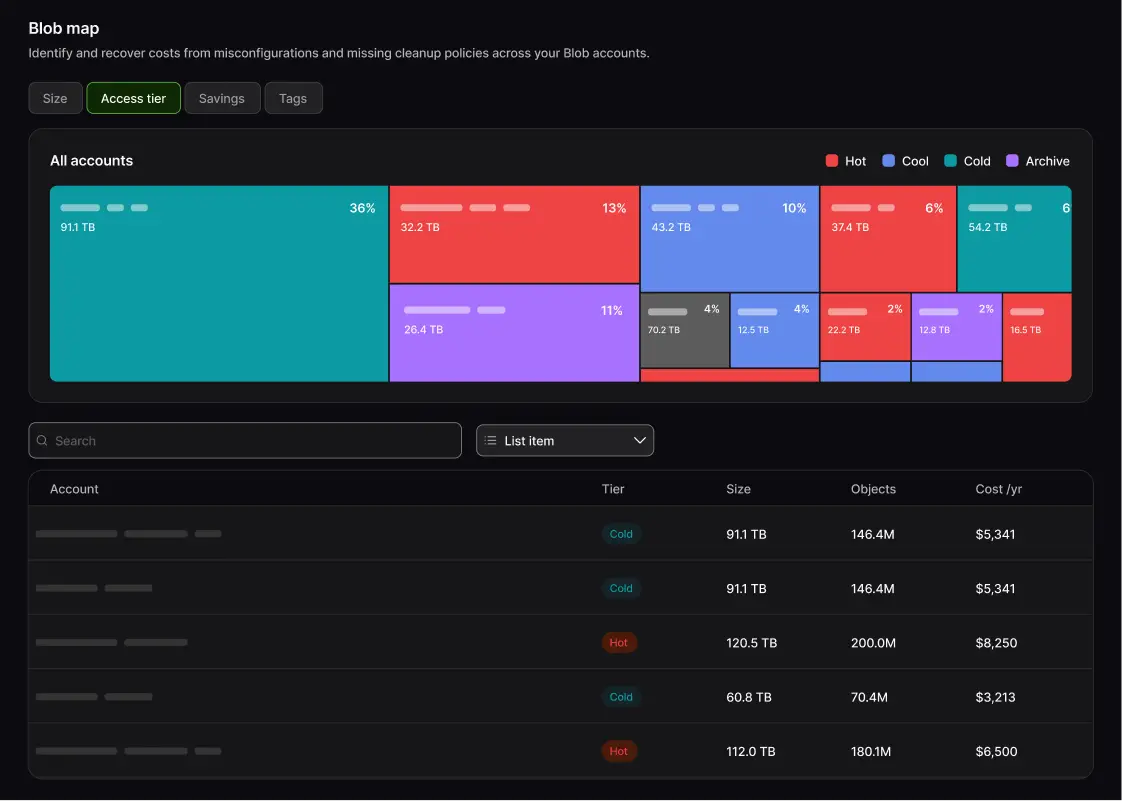
Drill into a multi-level map of your object storage, and uncover drift and tiering efficiencies.
- Act
Eliminate waste at scale
Remove 10 types of sprawl, and apply granular tiering policies that reflect your actual usage in one click.
- Govern
Strengthen best practices
Implement access-based tiering policies across the organization, and ensure correct configurations are used everywhere
The unified action layer for object storage optimization
Trusted by industry leaders

“We used to spend countless hours provisioning our cloud block storage. With Lucidity, we were able to not only free up that time by automating our storage management, but were able to save significant cost on our annual block storage spend.”


“The daily operational lift of managing disk space has moved off of our support to Lucidity.”


“Lucidity helped us to eliminate the risk of possible downtimes, and reduce our cloud storage spend by 52%”


“Lucidity is a game-changer in cloud storage management, helping enterprises optimize storage utilization, enhance performance, and significantly reduce costs across all three major cloud providers.”


“We used to spend countless hours provisioning our cloud block storage. With Lucidity, we were able to not only free up that time by automating our storage management, but were able to save significant cost on our annual block storage spend.”
“The daily operational lift of managing disk space has moved off of our support to Lucidity.”
“Lucidity helped us to eliminate the risk of possible downtimes, and reduce our cloud storage spend by 52%”
“Lucidity is a game-changer in cloud storage management, helping enterprises optimize storage utilization, enhance performance, and significantly reduce costs across all three major cloud providers.”
Frequently asked questions
Object storage optimization is the practice of matching what you store, how it is configured, and the tier it sits on to how the data is actually accessed. It covers three levers: tiering objects by real access patterns, clearing configuration drift and design sprawl, and reclaiming redundancy and accounts nothing is using. The unit of waste is not a disk here, it is millions of objects rolled into a single bill line.
Object storage bills arrive as one aggregate line per account, with no analytical layer underneath. A single account can hold hundreds of millions of objects across thousands of prefixes, and native tooling reports totals rather than which prefix, container, or team is responsible for the spend. Without that breakdown there is nothing to act on, so the waste compounds quietly. Object storage is also the fastest growing storage type in most enterprises, driven by AI workloads, so the gap widens every quarter.
Four patterns account for most of it. Data lands on a hot tier and stays there long after anyone reads it. Redundancy settings chosen for one critical workload get applied to accounts with almost no transactions. Premium configurations outlive the requirement that justified them. Accounts and containers created for a project stay behind when the project ends. Object Drift resolves these into 10 distinct types of misconfiguration, excess redundancy, and design sprawl, each with a bulk cleanup action attached.
Lifecycle rules move objects on age: after 30 days go cool, after 90 days go archive. That gets you part of the way there, but lacks the context of your actual business usage, so money is left on the table. Object Tiering builds recommendations from observed access patterns at the account, container, and prefix level, then applies them in one click and manages lifecycles autonomously from there.
Customers save up to 60% on object storage, with hot-tier waste and misconfiguration reduced by up to 90%. Object storage is roughly 30% of cloud storage spend for a typical enterprise, and cloud storage is now the second largest line item on the cloud bill. Combined with block storage, the Lucidity Cloud OS delivers a 7 to 15% reduction in the total cloud bill.
Not if the tier decision is grounded in access data. Cooler tiers trade a lower storage rate for higher retrieval and request charges, plus minimum retention periods, so a tier move only pays off on objects that are genuinely cold. Recommendations are built from observed access patterns rather than object age alone, objects that are still being read regularly stay where they are, and you review the analysis before any action runs.
Retention locks, immutability policies, and legal holds are respected. Object Mapping surfaces business context alongside the technical picture, including ownership, so you can see who a container belongs to before anything changes. Cleanup and tiering run as reviewed, one-click actions rather than unattended sweeps, which means data under a compliance obligation stays exactly where your policy requires.
None of the three. Object storage optimization in Lucidity is fully agentless, using cloud-native APIs and metrics, so there is nothing to install on any host. A tier change is a storage-class transition, not a copy: objects keep the same path, so applications and integrations continue to resolve them without a code change. Your objects stay in your own storage accounts throughout.
No. Lucidity never reads, copies, or moves your application data. The analysis works on metadata and access telemetry, which is what tells you an object has not been read in 18 months without anyone needing to open it. Lucidity is SOC 2 Type II certified, and Private Link is available.
Native cost tools report spend at the account level and native analytics report aggregate metrics, which tells you object storage is expensive without telling you which part to fix. Lucidity adds the analytical layer: a multi-level map from account to container to prefix to object, with recoverable dollars attached at every level, plus the actions to close the gap. Recommendations come with the evidence behind them, and cleanup runs as bulk one-click actions rather than a ticket for someone to work through.
Start with the free Lucidity Assessment. It is agentless and read-only, so it maps your estate and returns your recoverable number before you commit to anything. From there, tiering and cleanup actions run in one click and savings appear in the next billing cycle. Most customers reach ROI within 60 to 90 days.